With the Budget coming up on 28 October, small businesses will be hoping for some much-needed good news on costs.
But with 39% saying they’d struggle to pay their next VAT or Corporation Tax bill with the money they have available, many are feeling the pressure already.
John Rozenbroek, Managing Director of Capify, reveals why tackling late payments and giving businesses more certainty over costs would help them plan ahead and take opportunities to grow.
What should the Government prioritise in the Budget?
“The priority should absolutely be certainty. Small businesses simply can’t make confident decisions about hiring and investment if taxes, employment costs and support keep changing the way they have been.
“The Government should provide a clear, long-term framework and avoid adding further costs to employing people and growing a business.”
What measure could make the biggest difference to small businesses?
“Tackling late payments would make an immediate difference. Larger organisations and the public sector should be held to proper payment standards, while viable SMEs need access to funding when cash is tied up in unpaid invoices.
“A profitable business should never have to miss an opportunity just because a customer paid 30 or 60 days late.”
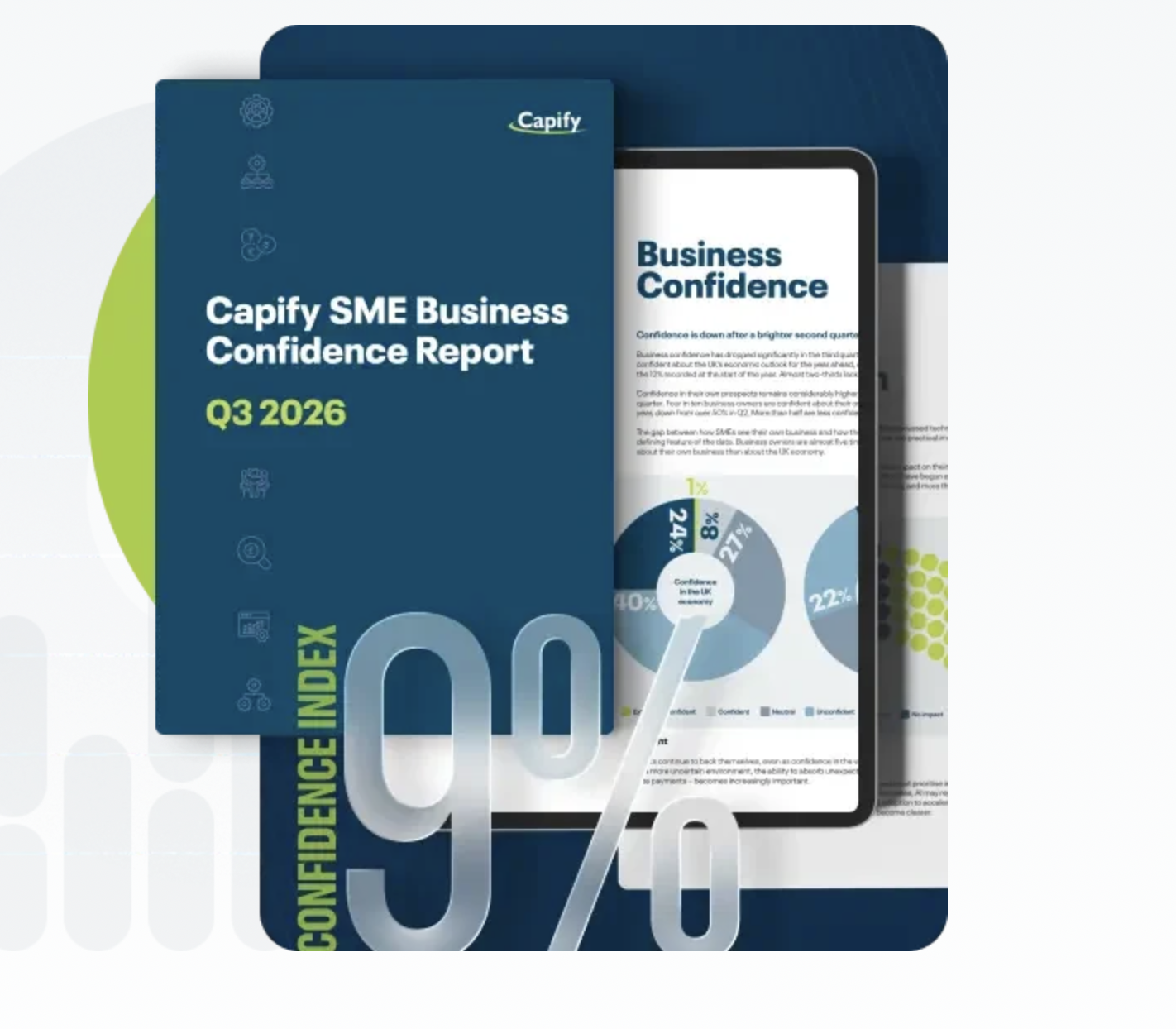
Capify’s latest Business Confidence Report found that 86% of SMEs say late payments have at least some impact on how they operate. Additionally, a third said payment delays have increased over the past year.
What financial challenge must the Budget address?
“The financial challenge the Budget simply must address is the working-capital squeeze. Customers may pay late, but payroll, tax bills and suppliers do not move with them at the moment.
“Better payment practices and access to responsible finance would give SMEs the room to absorb pressure, invest and act while an opportunity is still readily available.”
For more info please visit: www.capify.co.uk/business-confidence-survey/