- Brits are tipped for a tech-buying bonanza from this spring as they look to replace devices purchased in a hurry for the first Covid lockdown in 2020.
- With this month marking the fifth anniversary of the restrictions, many laptops bought for WFH in the pandemic, typically lasting 3-5 years, are living on borrowed time.
- Home working fuelled a surge in computer sales in 2020, with annual shipments to the UK rising a third; A second buying wave is expected in 2025 as consumers and companies upgrade and also prepare for the end of Windows 10.
- As businesses plan their IT refresh, Circular Computing urges them to consider remanufactured devices to help reach their sustainability goals and save money.
Brits are set for a swoop on technology this spring as the machines they bought to work through the first Covid lockdown reach the end of their shelf life.
New research by IT remanufacturer Circular Computing predicts that consumers and businesses will spend big on laptops to replace thousands of devices bought in a “pandemic buying spree” around the restrictions, which mark their fifth anniversary this month.
Computer sales spiked around the first restrictions in March 2020 as businesses rushed to support remote work for employees. PC shipments grew to 275 million units in 2020, including 12.15 million PCs delivered to the UK — a 32.3% annual rise from 20191.
Laptops typically have a five-year lifespan after which they may deteriorate as devices slow down and become less able to run advanced applications. Alongside the lockdown anniversary five-year mark, Circular Computing believes the end of support for Windows 10 this October, and demand for newer AI-integrated devices will also spur businesses to update their tech this year.
Rod Neale, CEO and Founder of Circular Computing, says: “Five years ago news of the first Covid restrictions and a global chip shortage sparked a pandemic buying spree as consumers and businesses rushed to get their hands on technology ahead of the national lockdown.
“Fast forward to 2025, and a lot of these devices bought for working from home will now look a little long in the tooth and may be starting to struggle on performance. Add on the sunsetting of the world’s biggest operating system Windows 10 and the desire for AI and you have a recipe for another buying surge.”
In 2020, almost half (47%) of employees worked from home, with nearly 9 in 10 (86%) doing so due to the Covid rules2. A legacy of the pandemic, latest figures show that two in five workers (41%) now do their job fully or partly at home, more than double the 17% who did so in 2019 and matching the proportion who only commute3.
With a large number of companies and households expected to trade in their devices, 2025 also risks seeing a surge in unloved tech ending up in landfill and damaging the planet. An estimated 240 million Windows 10 PCs could become e-waste when support ends of laptops aren’t traded in or recycled correctly4.
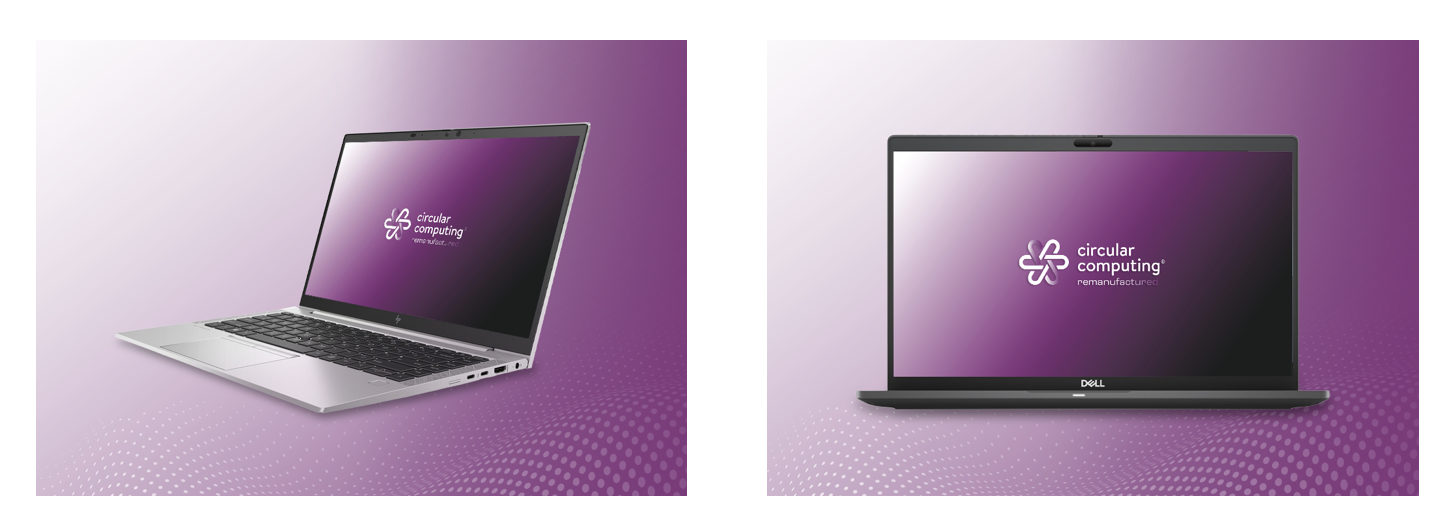
Circular Computing is urging companies to buy remanufactured IT next time they upgrade, to help the planet and save money. Investing in these second-life laptops reduces e-waste by conserving the resources that would have been used to create a brand-new model. A remanufactured laptop prevents about 316kg (700lb) of CO2 emissions, delivers up to 40% cost savings compared to brand new models, and is guaranteed by the BSI Kitemark to perform “equal to or better than new”.
Rod Neale adds: “Whatever their reason for upgrading their tech this year, it’s time for companies to walk the walk rather than just talk the talk on sustainability.
“With the growing right to repair movement, as well as 2030 and Net Zero pledges looming over the horizon, ‘brand new’ is no longer a badge of honour. Instead of just sticking with the same old tech-buying routine, businesses must take a long-term view and the easy win of slashing costs and emissions through second-life IT is a no brainer.”
Please visit: www.circularcomputing.com