The biggest barrier to making AI useful isn’t technical—it’s psychological. While executives debate strategy and policymakers craft regulations, the real breakthroughs happen when someone simply starts playing.
Don’t think too much. Talk to it. Play with it.
Advice that sounds almost childish in boardrooms filled with sophisticated AI strategies. Yet this simple approach cuts through the paralysis that keeps most people and organizations stuck on the sidelines.
The Play Paradox
Play matters. It’s not only fun—it’s how humans grow, adapt, and innovate. When we play, we invent rules, bend them, and even turn play itself into systems of meaning: art, sport, and games. Play allows for risk-free experimentation. Because the stakes are low, failure isn’t punished. Instead, we feel free to explore, iterate, and discover.
We too often forget how to play as adults. As consumers, we approach new technology with too little time to learn and too much hesitation—or even fear. In business, spreadsheets, risk assessments, and implementation timelines strike first. But AI tools like ChatGPT or Claude don’t have barriers to entry or long deployment cycles. They’re conversational partners waiting for someone to simply start talking.
The most productive AI users didn’t begin with use cases or ROI calculations. They opened a chat window and asked something unusual. They experimented with questions they’d ask a friend, then pushed boundaries with questions they’d never ask anyone. They discovered capabilities through curiosity, not through tutorials.
This isn’t about being reckless. It’s about recognizing that AI’s potential emerges through interaction, not analysis. AI was created by humans and, as such, carries human-like flaws—such as hallucinations—but it also offers well-grounded insights better than most humans. You can’t strategize your way to AI fluency any more than you can learn to swim by reading about water.
The Consumer’s Advantage
Individual consumers have a massive head start because they can play without permission. No procurement process, no security reviews, no committee approvals. Just open the tool and start experimenting.
The most effective approach? Treat AI like a knowledgeable friend with infinite patience—a core member of your communications team or a business partner. Ask it to help with real problems you’re facing. Request research on topics you’re curious about. Have it explain complex subjects in simple terms. The key is genuine interaction, not artificial test scenarios.
The critical part, too often overlooked, is that—like any creative partner—you must filter what it produces to ensure it makes sense. Believing in AI’s power means trusting that, over time, more of what it says will make sense, while recognizing that today these systems remain imperfect.
Privacy concerns often create hesitation, but these tools are no more likely to misuse your information than Google, your iPhone, or any major platform you already use daily. The bigger risk is staying on the sidelines while others develop AI fluency.
Leaders: Enable a Culture of Exploration
For business leaders, the challenge isn’t adopting AI—it’s creating conditions where teams can discover its potential. This means giving people time to play, not just permission.
The most forward-thinking organizations host monthly sessions where employees share both AI successes and failures. They encourage self-discovery rather than mandate specific tools. They reward those who help others navigate AI’s capabilities.
This isn’t about expensive training programs or consultant-led implementations. It’s about fostering intellectual curiosity and creating space for experimentation. Academia isn’t adapting fast enough to meet industry needs, so organizations must accelerate their own learning.
Leaders who will thrive are those who unlearn and relearn with courage rather than act from resistance. Usefulness doesn’t come from hype or fear—it comes from a willingness to let go of what no longer serves and to discover what might. Encouraging teams to experiment, learn, and share is what drives collective progress.
Policymakers: Guide, Don’t Regulate
For policymakers, the temptation is to regulate first and understand later. But premature regulation risks stifling the very experimentation that reveals AI’s benefits.
The better approach is guidance over restriction: create and continually refine frameworks that encourage transparency, responsible data stewardship, and safe experimentation—without assuming we already know how AI will evolve. The technology is moving too fast for traditional regulatory timelines.
Policy should enable the art of playing at scale—supporting research, encouraging consumer adoption, and protecting against genuine harms without preventing beneficial innovation.
The Urgency of Now
Those who start using AI today will find new ways to accelerate their productivity and creativity sooner. Those who refuse will fall behind. The best and brightest will leap forward by learning how to play.
It’s too late to sit on the sidelines hoping to figure it out later. The window for comfortable, risk-free entry is closing.
Start Playing Today
The path forward isn’t complicated: pick an AI tool. Open it. Start talking. Ask it something you’re genuinely curious about. Don’t overthink the interaction—just engage.
Find the fun and creativity in playing. That’s where the real barrier lies—and where the breakthrough begins.
Playing with others is even better. Ask your co-workers and friends what they’re doing with AI, and have them show you what works for them.
The art of playing isn’t just a nice-to-have skill in the AI age. It’s the essential capability that separates those who will truly make AI useful from those who merely talk about it.
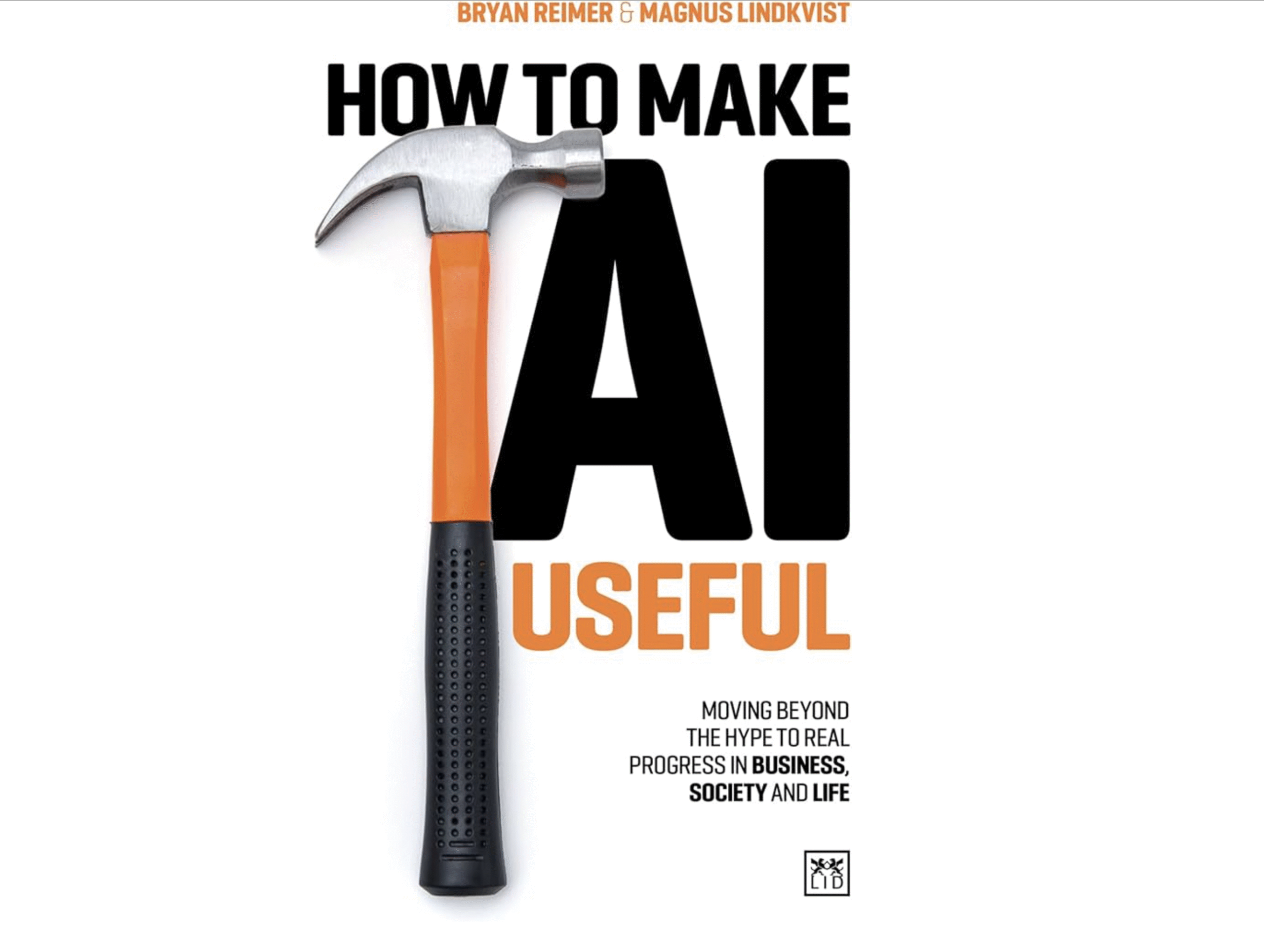
Magnus Lindkvist is a Swedish futurologist and trendspotter known for blending insights from business, science and the arts to challenge how we think about the future. A sought-after global speaker and author of multiple books, he brings a fox’s curiosity to a world of hedgehog predictions.
The book is available from: